
Manuals and Resources
The PBIP have created a number of guides and resources related to paediatric trauma, all freely downloadable below
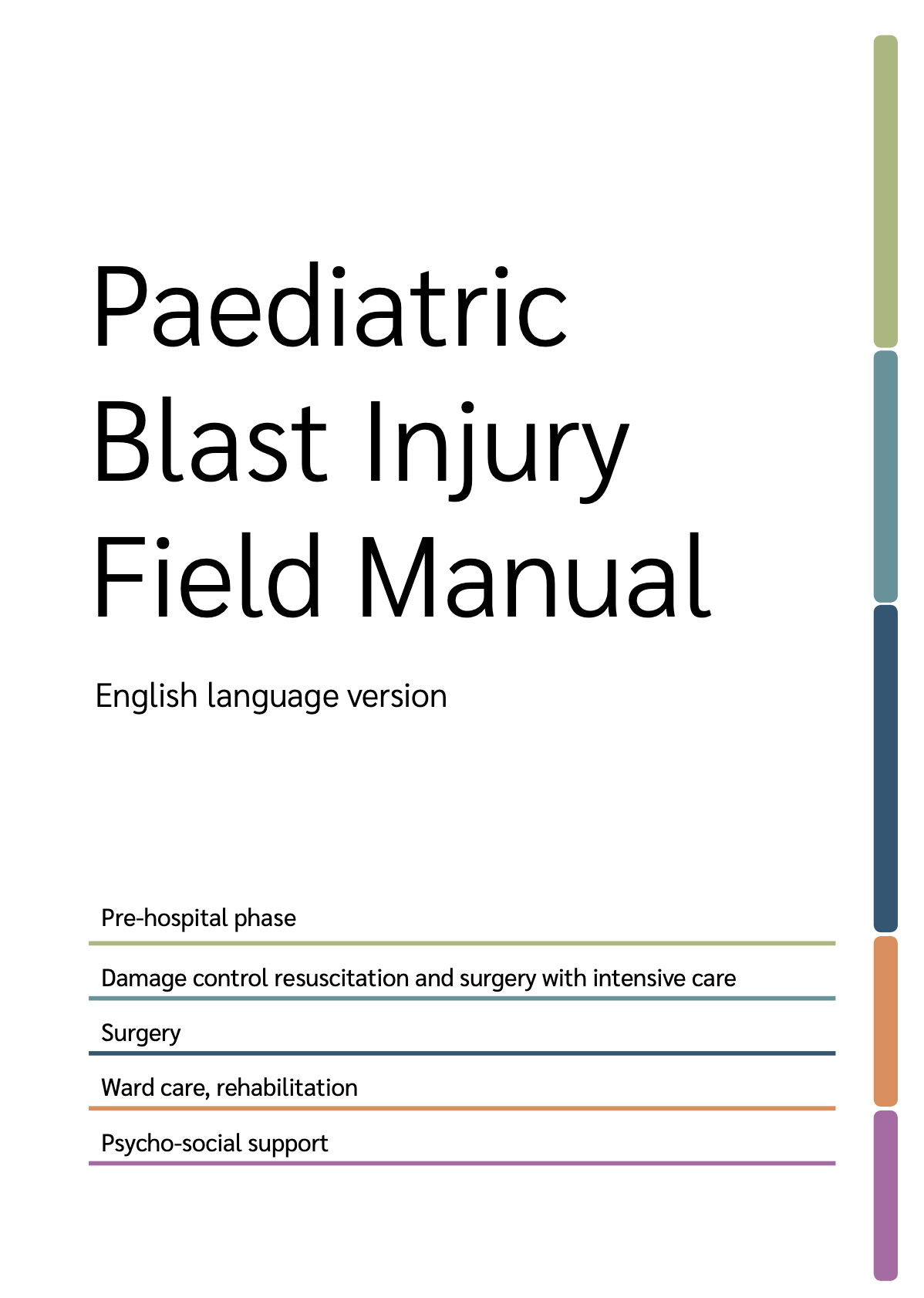
Paediatric Blast Injury Manual
The Paediatric Blast Injury Field Manual has been created to provide technical guidance for those with medical training. It enables the user to adapt their knowledge to the treatment of severely injured children. The Field Manual has paediatric-specific sections on:
Pre-hospital care and transport
Damage control resuscitation, surgery and intensive care
Surgery (thoraco-abdominal, limb, burns)
Neurological injury
Ward care
Rehabilitation
Psychosocial support
Ethics and safeguarding
The Field Manual is also intended for use by anyone who is required to plan for the treatment of severely injured children, so they can see the resources, training and equipment that is required in a medical facility likely to receive blast injured children.

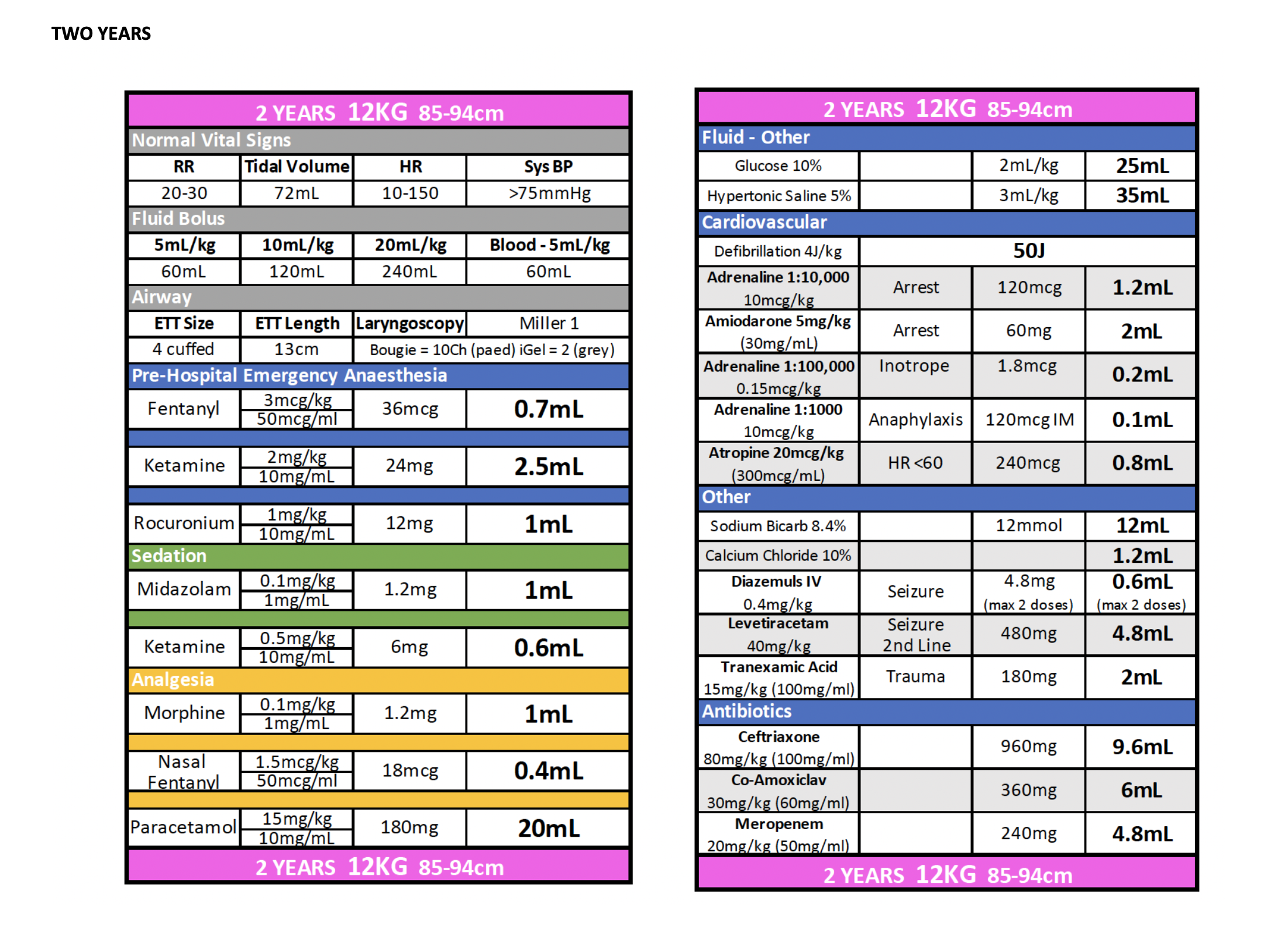
Page for Age Resource
Emergency Paediatric reference guide with prefilled equipment sizes and medication doses for a variety of ages

Stop the Bleed Card
Simple bystander stop the bleed handout

Emergency Pain Management for Injured Children
Pain is experienced by children of every age, culture, demographic and physical or mental state. It is a complex and subjective experience influenced by physical, psychological, cognitive, cultural and situational factors. Pain is what the patient says it is.
Pain management is an essential and basic humanitarian standard in the care of injured children and our aim as caregivers is to relieve pain as early and as completely as possible. Unmanaged pain leads to short- and long-term adverse effects including delayed healing, along with increased risk of developing chronic pain syndromes, post-traumatic stress disorder and poor functional outcomes all of which can have a lifelong impact for the child. A structured and comprehensive approach to pain management in children is described using 3 pillars of intervention. These are physical, psychological, and pharmacological and are built on the core principles of paediatric care. Together these structural elements support a holistic and effective approach to pain management for children.
In low resource and conflict settings the prioritisation and capacity to manage pain may be extremely challenging. This guide will give the caregiver a toolbox to select what may be available and achievable at the time. Do what you can.
Disclaimer
Every effort has been made to confirm the accuracy of the information presented in the above resources. The authors and course directors are not responsible for errors of omission or for any consequences from the application of the information in the course or associated posters, checklists or notes, and make no warranty, expressed or implied, with respect to the currency, completeness, or accuracy of the contents of this publication.
The above manuals, resources and associated courses are intended as a guide and application of this information in a particular situation remains the professional responsibility of the practitioner.
This work is licensed under the Creative Commons Attribution-Non-Commercial-ShareAlike 4.0 International (CC BY-NC-SA 4.0) License. To view a copy of the license, visit https://creativecommons.org/licenses/by-nc-sa/4.0/